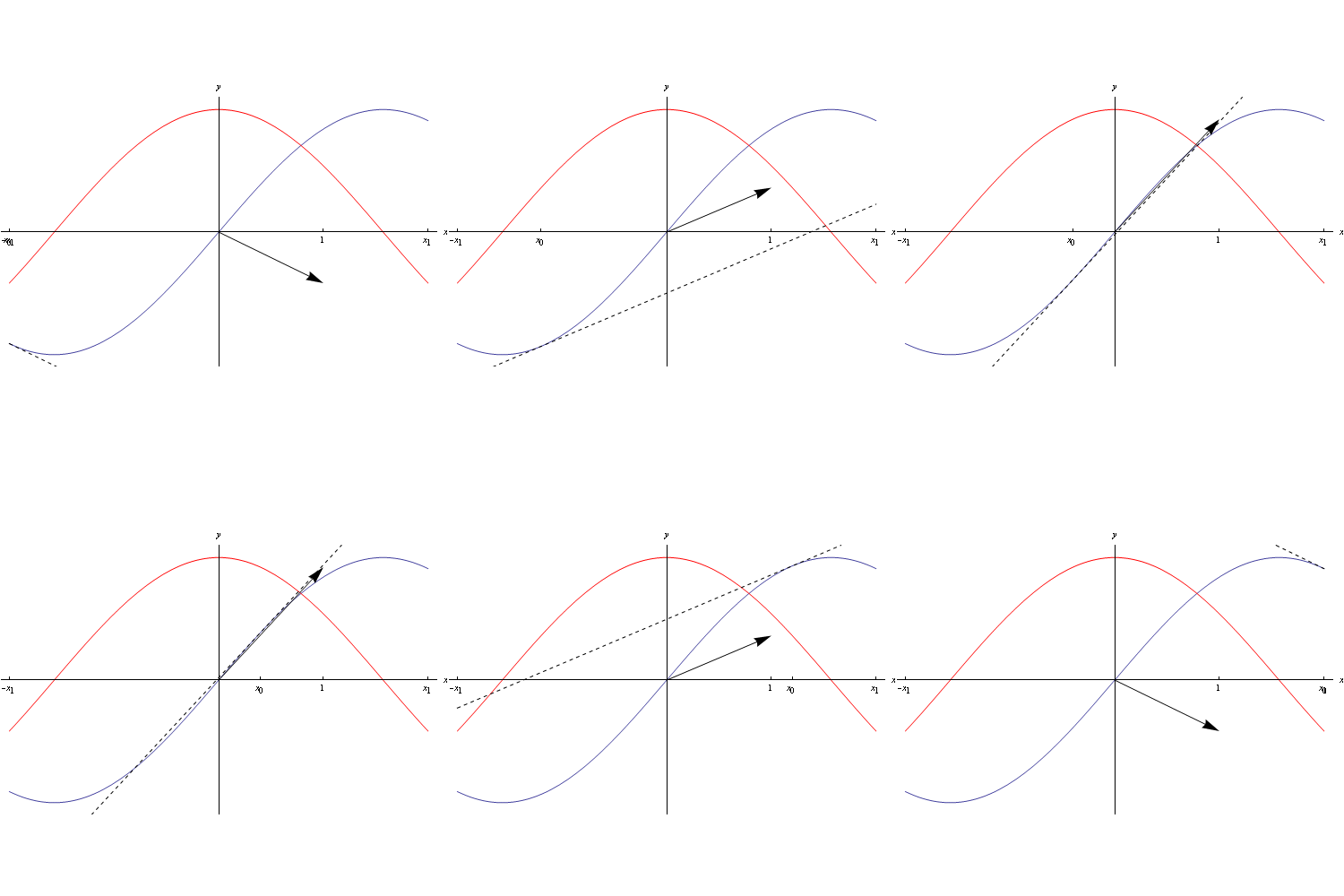
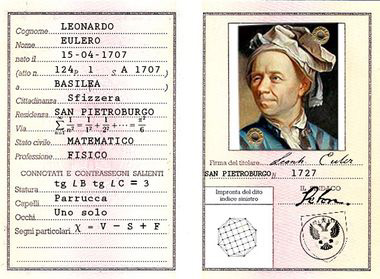
«Ci sono misteri che la mente umana non penetrerà mai. Per convincercene, non dobbiamo fare altro che gettare un'occhiata alle tavole dei numeri primi. Ci accorgeremo che non vi regna né ordine né legge».
Eulero, 1751
Eulero scoprì una legge empirica di distribuzione degli elementi di un sottoinsieme dell'insieme dei numeri primi.
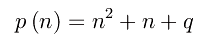
Si consideri la famiglia (finita) di parabole ad un parametro:
Si noti che i valori assunti dal parametro libero q sono numeri primi. Nell'argomento di p(x) passiamo dai reali agli interi naturali:
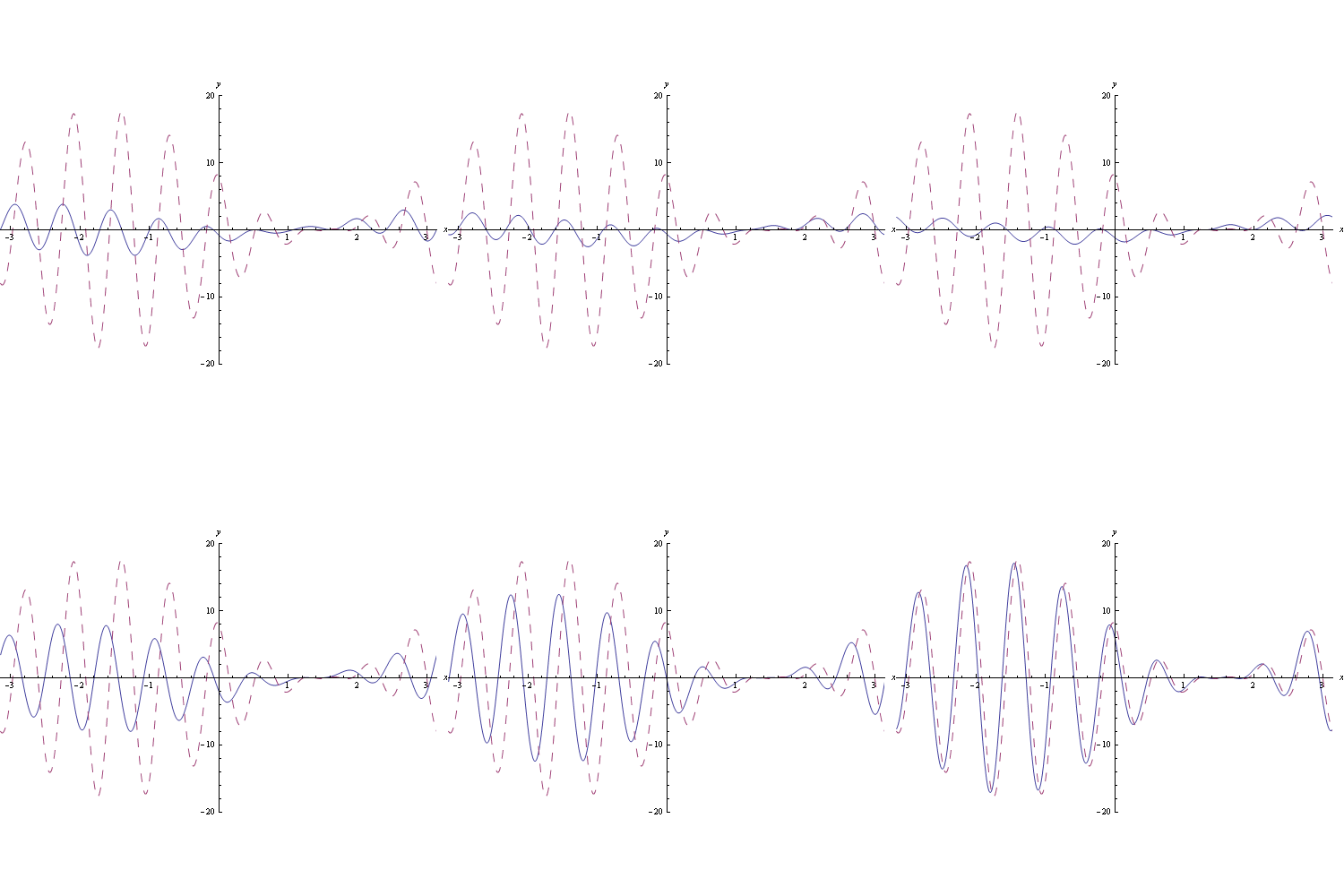
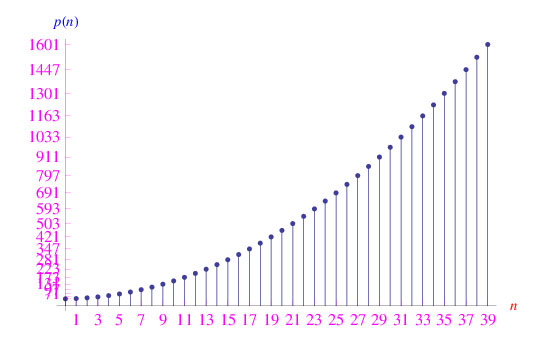
Eulero verificò che per n=0,...,q-2, l'intero naturale p(n) è un numero primo. Si badi tuttavia che p(n) e p(n+1) non sono successivi. Per fissare le idee, prendiamo q=39. In tal caso, l'equazione precedente restituisce la lista graficata in fig. 1.
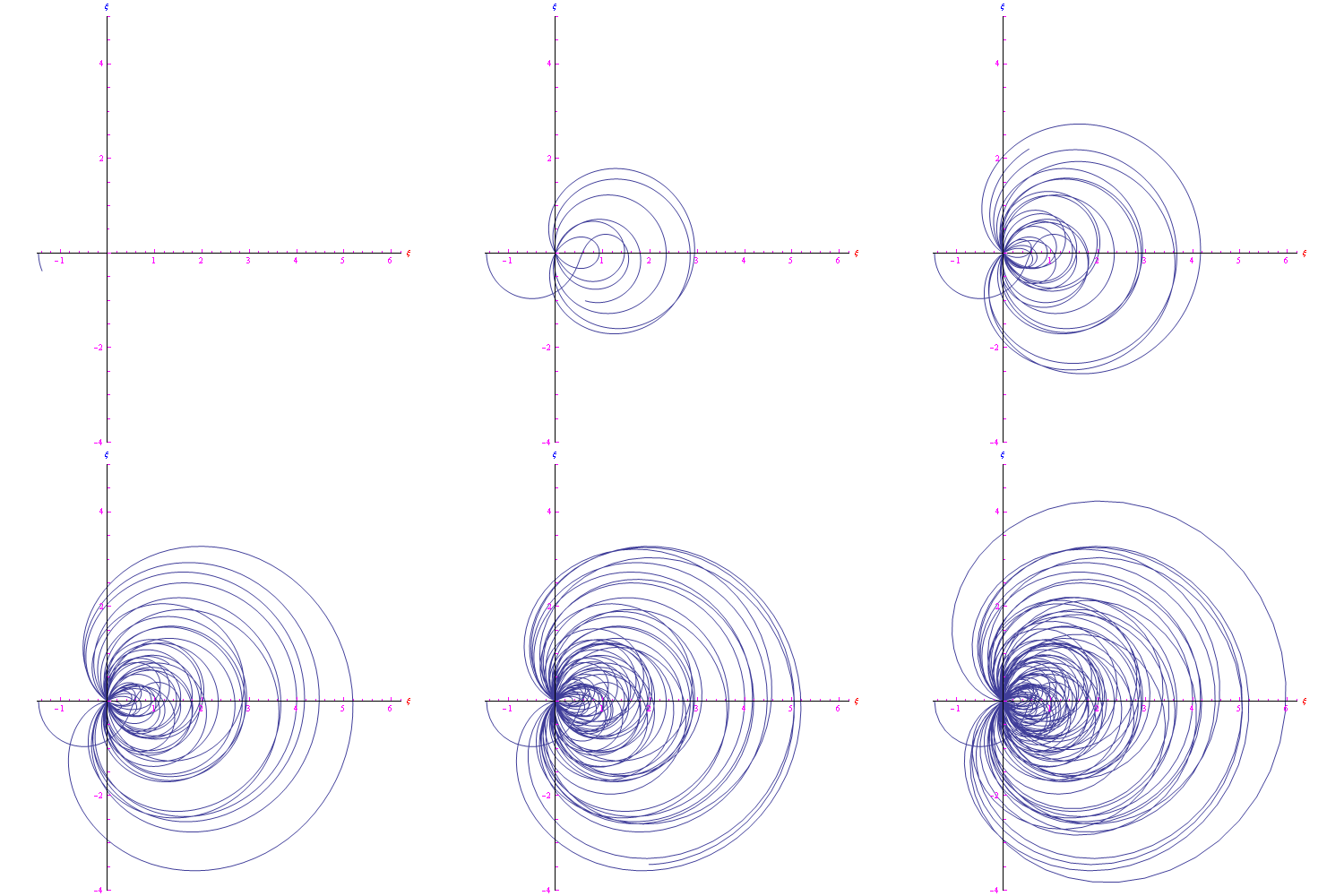
In fig. 1 the trajectory of a particle of unitary mass moving in a plane seat of an unknown force field. The hourly equations are defined by the real part and the imaginary part of the Riemann zeta function calculated along the critical line.
Qualitatively, the motion is the result of the composition of two one-dimensional motions, both with oscillating potential energy and which therefore give rise to "oscillating" but not periodic forces, with increasing amplitude. The single force seems to be the result of an attractive term (of the type "elastic recall force") and of a repulsive term that tends to move the particle away from the origin, towards infinity. But periodically, the recall force takes over and carries the particle towards the origin. Each passage through the origin corresponds to a non-trivial zero of the Riemann zeta function.
The trajectory is as follows: (altro…)





 Congettura di Riemann
 Trasformata discreta di Fourier
 Trasformata di Fourier nel senso delle distribuzioni
 Trasformata di Fourier
  Infinitesimi ed infiniti
 Limiti notevoli
 Punti di discontinuità
 Misura di Peano Jordan
 Eserciziario sugli integrali
 Differenziabilità
  Differenziabilità (2)
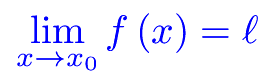 Esercizi sui limiti
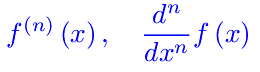 Appunti sulle derivate
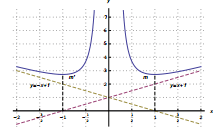 Studio della funzione
 Esercizi sugli integrali indefiniti
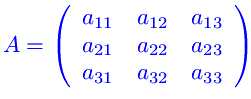 Algebra lineare
 Analisi Matematica 2
 Analisi funzionale
 Entanglement quantistico
 Spazio complesso
 Biliardo di Novikov
 Intro alla Meccanica quantistica
 Entanglement Quantistico