sabato, Febbraio 28th, 2026
Esiste un punto di contatto dove la fisica teorica smette di descrivere "oggetti" e inizia a mappare la "consapevolezza". In questo articolo esploriamo un toy-model di universo emergente, ispirato alle visioni di Federico Faggin e Giacomo Mauro D'Ariano. Partendo dagli spin networks di Roger Penrose — strutture a-spaziali e atemporali di pura informazione — ricostruiamo matematicamente come la trama dello spaziotempo possa emergere non come un dato primitivo, ma come l'espressione di un'entità consapevole. Se la materia è un'illusione statistica e l'informazione è il linguaggio, questo modello ci suggerisce che l'universo somiglia molto più a un "vasto pensiero" che a un freddo ingranaggio meccanico.
Scarica l'articolo in formato PDF
Posted in News | No Comments »
martedì, Febbraio 24th, 2026
Exciting news is circulating in the biotech world: nanoparticles capable of dissolving coronary plaques are no longer science fiction. These tiny "robots" navigate our arteries using a clever propulsion system powered by glucose density gradients.
A Familiar Mathematical Challenge
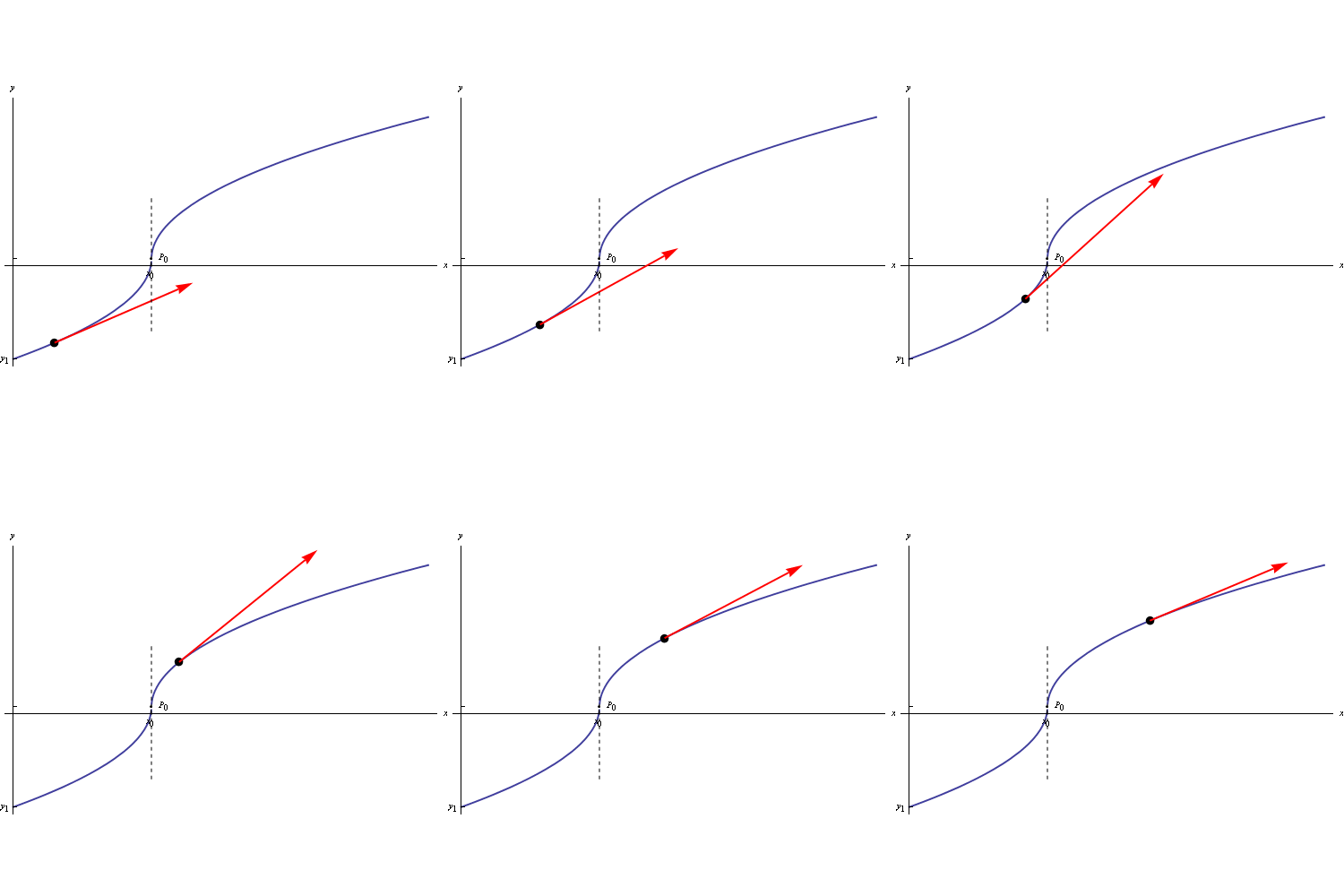
This breakthrough resonates deeply with my previous research. Back in 2022, I developed a heuristic model to simulate how antibodies track a target (specifically the Spike protein) moving in a random walk.
At the time, I modeled this "pursuit" by implementing a chemical potential difference to drive the particles. You can see the original logic in my article: Antibodies vs. Spike Protein Pursuit Algorithm.
From SDEs to Clinical Solutions
The core of these technologies lies in Stochastic Differential Equations (SDEs). Whether it's a theoretical "toy-model" integrated in Mathematica or a cutting-edge nanomedicine application, the underlying physics remains the same:
Detection: Identifying the chemical signature of the target.
Propulsion: Converting environmental energy (glucose) into kinetic energy.
Action: Dissolving the plaque upon contact.
Posted in News | No Comments »



 Congettura di Riemann
 Trasformata discreta di Fourier
 Trasformata di Fourier nel senso delle distribuzioni
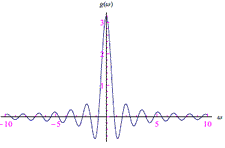 Trasformata di Fourier
  Infinitesimi ed infiniti
 Limiti notevoli
 Punti di discontinuità
 Misura di Peano Jordan
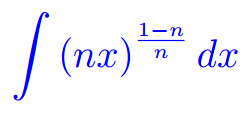 Eserciziario sugli integrali
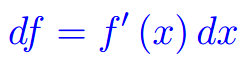 Differenziabilità
 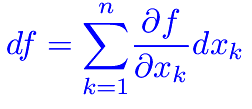 Differenziabilità (2)
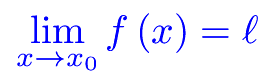 Esercizi sui limiti
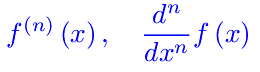 Appunti sulle derivate
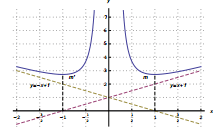 Studio della funzione
 Esercizi sugli integrali indefiniti
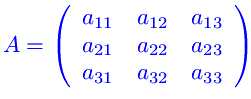 Algebra lineare
 Analisi Matematica 2
 Analisi funzionale
 Entanglement quantistico
 Spazio complesso
 Biliardo di Novikov
 Intro alla Meccanica quantistica
 Entanglement Quantistico